E-Commerce Shipping and Logistics Management: Key Points for Customer Satisfaction
Master e-commerce shipping and logistics management. Learn carrier selection, automation, returns optimization, and proven strategies to boost customer loyalty. You will find answers to all your questions related to topic E-Commerce Shipping and Logistics Management: Key Points for Customer Satisfaction in the continuation of the text.
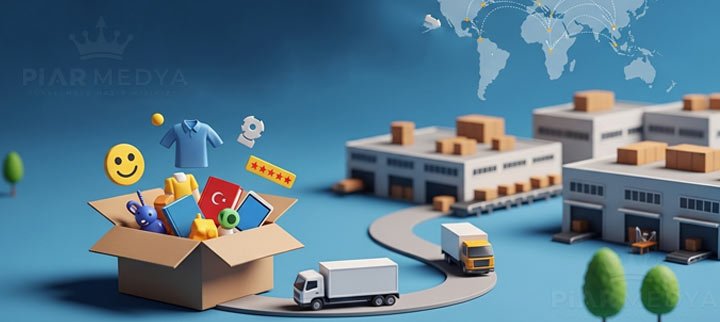
The 5 Main Pillars of Successful E-Commerce Logistics
1. Choosing the Right Shipping Carrier and Contract Process
2. Order Fulfillment Process Optimization
3. Shipping Integration and Automation
4. Transparent Communication and Proactive Shipment Tracking
5. Returns Management (Reverse Logistics): Building Long-Term Loyalty
The Strategic Decision: Should You Offer Free Shipping?
Logistics as an Extension of Customer Experience
E-commerce shipping and logistics management is the set of operations that carries an order from your warehouse to the customer's door: carrier selection, order fulfillment, shipping automation, proactive tracking, and returns. The process rests on 5 main pillars, and each one shapes customer satisfaction. Research shows more than 90% of shoppers return to stores with an easy returns process, while refunds issued within 2-3 business days protect loyalty. A free shipping threshold such as orders over $100 also raises average order value.
What determines success in e-commerce? A well-designed website, targeted marketing campaigns, and competitive prices set the foundation. The post-purchase journey, the moment an order leaves the warehouse and reaches the customer's hands, shapes brand reputation. Many online retailers invest heavily in customer acquisition while overlooking that long-term retention depends on flawless shipping and logistics management.
A bad shipping experience (delayed delivery, damaged product, incorrect tracking information) can negate substantial marketing efforts in a single order. At Piar Medya, our agency experience demonstrates that sustainable e-commerce requires managing an end-to-end operational workflow rather than just building a store.
Our comprehensive e-commerce consulting service enables you to optimize these invisible but vital processes. In our guide, we will examine the key points of shipping and logistics management that will elevate customer satisfaction and set you apart from your competitors.
The 5 Main Pillars of Successful E-Commerce Logistics
E-commerce logistics is a multi-step operation that involves taking a product from the shelf and delivering it to the customer's door. The workflow breaks down into 5 main stages:
1. Choosing the Right Shipping Carrier and Contract Process
Choosing the right shipping partner is a primary operational hurdle for growing stores. Decisions should factor in overall service quality rather than solely the lowest dimensional weight rate. The carrier serves as the direct physical representative interacting with your end customer.
Shipping Carrier Selection Criteria Comparison Table
| Criterion | Why is it Important? | Tip from Piar Medya |
|---|---|---|
| Pricing (Dimensional Weight/Actual Weight) | Directly affects your profitability and the fee you will pass on to the customer. | Avoid focusing solely on price. Low rates often correlate with lower delivery reliability. When negotiating an e-commerce shipping contract, request volume tiers and a fixed-rate guarantee. |
| Delivery Speed and Coverage Area | Customer expectation is now "next-day delivery." The carrier must be able to deliver quickly to all regions (including rural areas and small towns). | Consider working with different carriers for different regions (a hybrid model). For example, Carrier X for big cities, Carrier Y for rural areas. |
| Technological Integration (API) | Automating order synchronization, label generation, and tracking updates prevents processing bottlenecks. | Ensure that the carrier you choose can fully integrate with your e-commerce platform (WooCommerce, Shopify, etc.). |
| Damage and Returns Management | How will the process work if the product is damaged in transit or the customer wants to return it? An easy and fast returns process wins the customer back. | Stay away from carriers that make the returns process difficult. Partner with those who offer an "easy and free returns" option to the customer. |
| Customer Service Support | You need to be able to find a point of contact when a problem arises (e.g., lost package). | Prioritize working with corporate carriers that assign you a dedicated "account manager." |
2. Order Fulfillment Process Optimization
Order fulfillment covers everything that happens in your warehouse after the customer places an order. Speed and accuracy start here.
- Warehouse and Inventory Management: Selling an out-of-stock item (overselling) damages customer trust. Real-time inventory tracking across sales channels is essential.
- Packaging (The Unboxing Experience): Pack the product not just to protect it, but to provide an experience. Branded packaging, clean presentation, or a thank-you note strengthens brand loyalty.
- Fast Shipping (SLA): If you offer same-day or 24-hour dispatch promises, fulfillment workflows must strictly support those turnaround times.
3. Shipping Integration and Automation
Manual processing functions adequately for small volumes. Managing larger daily order counts requires reliable automation. When your e-commerce site is being built, shipping integration is a fundamental component.
Operational Benefits of Automation:
- Eliminates Manual Errors: Automated data transfer prevents address typos and missing contact details.
- Saves Time: Order information syncs directly into the carrier system, generating shipping labels instantly.
- Informs the Customer: Tracking numbers and status updates trigger automated SMS and email notifications.
4. Transparent Communication and Proactive Shipment Tracking
Customer post-purchase friction often centers on package status visibility. According to Baymard Institute research, unexpected shipping costs and uncertain delivery times remain major causes of cart abandonment.
Provide step-by-step visibility throughout delivery:
- Order Received: "Your order is confirmed."
- Shipped: "Your order has been shipped. Tracking Code: XXXXX"
- Out for Delivery: "Your order is out for delivery today."
- Delivered: "Your order has been delivered. Enjoy!"
Proactive tracking communication sets expectations and reduces customer support ticket volume.
5. Returns Management (Reverse Logistics): Building Long-Term Loyalty
Reverse logistics represents one of the most operationally demanding parts of e-commerce. Handled effectively, a seamless returns experience functions as a retention driver. Consumer surveys show that over 90% of buyers repurchase from retailers offering straightforward return workflows.
Key Components of an Effective Returns Process:
- Clear Policy: Your returns policy should be prominently linked and easy to understand across your store.
- Convenience: Provide pre-printed return labels, QR codes, or automated self-service return portals.
- Speed: Inspect incoming returns quickly and process refunds or exchanges within 2-3 business days.
The Strategic Decision: Should You Offer Free Shipping?
Free shipping significantly improves conversion rates. Managing the underlying cost requires strategic structuring:
- Incorporated into Base Pricing: Product prices absorb average shipping expenses to support universal free shipping.
- Threshold-Based Shipping: Setting rules such as "Free Shipping on Orders Over $100" boosts average order value (AOV) while safeguarding gross margins.
- Targeted Promotional Periods: Offering free delivery during seasonal sales or for specific product lines drives promotional engagement.
Logistics as an Extension of Customer Experience
Successful e-commerce brands align digital storefront quality with physical delivery performance. A seamless checkout flow must be matched with timely, intact delivery. Shipping and logistics operations represent how your business delivers on its brand promise.
To design an e-commerce platform paired with an efficient and scalable logistics model, consult the Piar Medya team. Through our strategic e-commerce consulting services, we help optimize your operations from warehouse storage to final-mile delivery.