What is Online Reputation Management? How to Manage Digital Perception in 5 Steps
What is online reputation management (ORM)? Discover a 5-step strategic framework to monitor brand perception, handle negative reviews, and protect your SERP. You will find answers to all your questions related to topic What is Online Reputation Management? How to Manage Digital Perception in 5 Steps in the continuation of the text.

What is Online Reputation Management?
What is the Critical Difference Between Image and Reputation?
Why is Online Reputation Management Vital? (Key Benefits)
How is Online Reputation Management Done? (A 5-Step Action Plan)
Step 1: Listening and Analysis (Monitoring)
Step 2: Strategy Development (SERP Analysis)
Step 3: Proactive Reputation Building (Creating Positive Assets)
Step 4: Reactive Crisis Management (Responding to Negative Comments)
Step 5: Search Engine Reputation Management (SERM)
Conclusion: Reputation is Not Left to Chance, It is Managed
Online reputation management (ORM) is the practice of monitoring what people say about a brand online and shaping that perception through content, reviews, and search results. The process runs in 5 steps: listening, SERP analysis, building positive assets, responding to negative comments, and search engine reputation management (SERM). Since more than 90% of purchasing decisions start with online research, the first page of Google works as a brand's digital storefront; ORM aims to fill it with positive, high-authority results.
The first touchpoint with a potential customer is rarely a physical store or office; it happens on search engine result pages. What appears when you search for your brand or your name on Google? Comments from satisfied customers? Unresolved complaints? Irrelevant news? Or nothing at all? Your first digital impression defines your online reputation, directly driving customer acquisition and conversion rates across every channel.
What is Online Reputation Management?
Online Reputation Management (ORM) is the continuous process of monitoring, analyzing, and proactively shaping public perception regarding your brand, products, or key executives across the web.
At Piar Medya, we approach digital reputation not merely as public relations, but as an integrated technical SEO and strategic communication discipline. We break down how to establish, monitor, and defend your brand authority in 5 practical steps.
What is the Critical Difference Between Image and Reputation?
Before executing reputation strategies, it is essential to distinguish between two frequently confused concepts: Image and Reputation.
- Image: The perception your brand actively projects outward. You control it through your logo, your website's design, and your advertising copy. Image is the brand facade.
- Reputation: What customers, employees, and industry stakeholders actually experience and state publicly. You cannot directly control it; you can only influence it through consistent delivery. Reputation is brand character.
A coherent corporate identity establishes a polished image, but true reputation is built when operational quality matches marketing promises over time.
Why is Online Reputation Management Vital? (Key Benefits)
Failing to manage your online footprint leaves your market position vulnerable to third-party narratives. Proactive reputation management delivers tangible commercial advantages:
- Increases Customer Trust: Verified reviews and responsive customer touchpoints eliminate friction during the evaluation phase.
- Influences Purchase Decisions: The vast majority of buyers research reviews before purchasing. A strong digital sentiment directly accelerates sales cycles.
- Provides Resilience Against Crises: A solid foundation of authentic positive sentiment cushions your brand, ensuring isolated negative incidents are perceived as exceptions rather than systemic flaws.
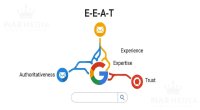
- Strengthens SEO and Authority: Search algorithms interpret brand sentiment, press coverage, and review platforms as vital E-E-A-T signals, directly reinforcing organic search visibility.
How is Online Reputation Management Done? (A 5-Step Action Plan)
Sustainable reputation management balances systematic monitoring with disciplined content and SERP optimization.
Step 1: Listening and Analysis (Monitoring)
You cannot manage what remains unmeasured. The initial step requires comprehensive monitoring of mentions across brand assets, product lines, and leadership names.
- Google Alerts: Receive notifications when indexed web pages reference your registered brand terms.
- Social Media Monitoring Tools: Track multi-platform conversations and brand sentiment in real time via enterprise monitoring software.
- Review Platforms: Systematically audit feedback channels including Google Business Profile, Trustpilot, Yelp, and industry-specific discussion boards.
Step 2: Strategy Development (SERP Analysis)
Search your primary brand queries on Google and audit the top 10 search results. The resulting SERP constitutes your primary digital storefront. Categorize every ranking URL:
- Positive Results: Owned web properties, verified social profiles, glowing press features, and high-rating review pages.
- Negative Results: Consumer complaints, unfavorable reviews, and critical news articles.
- Neutral or Irrelevant Results: Unrelated third parties sharing name similarities or passive corporate directory listings.
Strategy: Systematically optimize and promote positive digital assets to dominate page one while suppressing unfavorable links to page two and beyond.
Step 3: Proactive Reputation Building (Creating Positive Assets)
Relying solely on defensive responses creates vulnerability. Strategic brands publish high-authority assets designed to rank for core brand queries.
- SEO-Optimized Knowledge Base: Publish authoritative guides addressing key industry challenges.
- Verified Social Profiles: Maintain active, complete profiles on major professional networks including LinkedIn, YouTube, and X.
- Digital PR and Press Outreach: Distribute notable milestones, research data, and case studies to reputable industry news outlets.
- Review Generation Workflows: Implement structured post-purchase touchpoints encouraging satisfied clients to share feedback on verified platforms.
Step 4: Reactive Crisis Management (Responding to Negative Comments)
When negative feedback arises, maintain strict operational composure: never delete valid criticism, never leave concerns unanswered, and avoid contentious language.
- Respond Promptly: Acknowledge issues rapidly to demonstrate active operational accountability.
- Maintain Transparency: Validate legitimate customer grievances and offer clear, professional apologies when operational errors occur.
- Provide Actionable Solutions: Explain immediate corrective measures rather than offering generic platitudes.
- Migrate to Direct Channels: Shift detailed complaint resolution to secure direct messaging or dedicated support email addresses.
- Legal Recourse: For demonstrably false, defamatory, or unlawful claims, submit formal removal requests via Google's legal removal workflows or pursue legal action.
Step 5: Search Engine Reputation Management (SERM)
SERM combines strategic content distribution with rigorous technical optimization. The objective is to elevate authoritative owned and earned media above unverified third-party criticisms on search engine results pages.
By acquiring authoritative backlinks pointing to owned subdomains, social assets, and earned PR features, our optimization workflows build domain authority across high-trust properties. As these positive assets gain algorithmic authority, they consistently outrank low-authority complaint threads, effectively pushing unfavorable links beyond primary search visibility.
Conclusion: Reputation is Not Left to Chance, It is Managed
Digital reputation requires disciplined maintenance rather than reactive troubleshooting. Proactive monitoring, authoritative content production, and swift, measured crisis protocols form the backbone of lasting digital authority and commercial credibility.
If you need to strengthen brand sentiment or suppress negative search results with targeted SEO and PR campaigns, partnering with an experienced technical SEO agency ensures measurable protection. Request consultation from our specialists at Piar Medya.